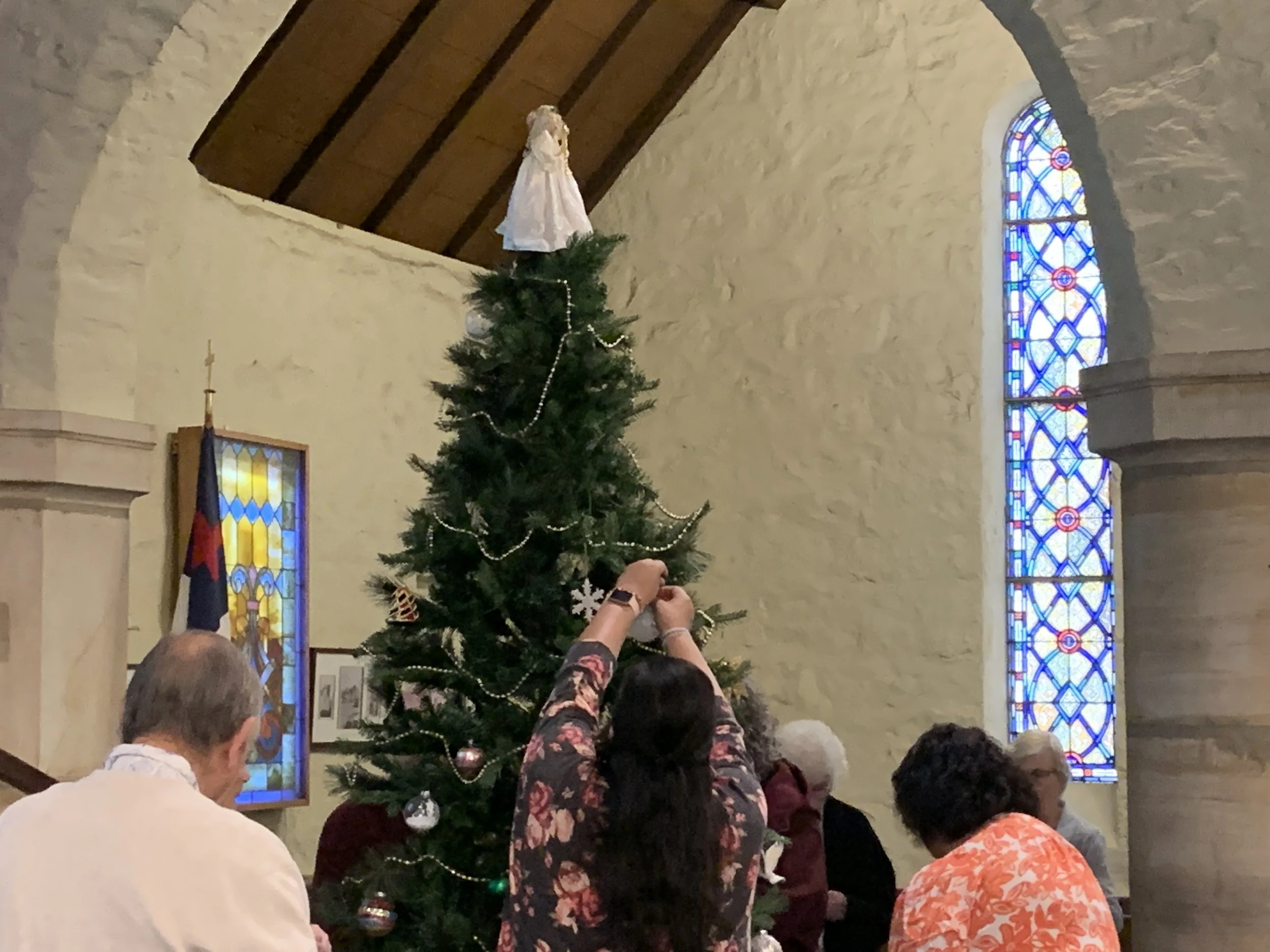
September 20th Worship Service
Jesus has left the area of Galilee, crossing into Jordan in the region of Judea. And the people have followed him as he continues to teach and heal those who are around him. It is here the little children come to him, and the disciples try to send them away, but Jesus says, “Let the little children come to me, and do not hinder them, for the kingdom of heaven belongs to such as these.”
Jesus tells the disciples and interesting parable that demonstrates how the kingdom God is going to bring into existence will operate by means of “Grace.” Matthew 20:1 starts the parable with, “For the kingdom of heaven is like a landowner who went out early in the morning to hire workers for his vineyard.” The parable goes on telling how the landowner agrees to pay the workers one denarius per day.


Jesus has left the area of Galilee, crossing into Jordan in the region of Judea. And the people have followed him as he continues to teach and heal those who are around him. It is here the little children come to him, and the disciples try to send them away, but Jesus says, “Let the little children come to me, and do not hinder them, for the kingdom of heaven belongs to such as these.”
Jesus tells the disciples and interesting parable that demonstrates how the kingdom God is going to bring into existence will operate by means of “Grace.” Matthew 20:1 starts the parable with, “For the kingdom of heaven is like a landowner who went out early in the morning to hire workers for his vineyard.” The parable goes on telling how the landowner agrees to pay the workers one denarius per day.
Jesus explains this will be the method god will use in the coming Kingdom. It will be a process of Grace, not Human Merit. It does not matter at what point a person enters into and accepts God’s grace. Everyone will be treated the same. All will be rewarded equally.
Join us for our September 20th Worship Service.
Painting: Parable of the Workers in the Vineyard,1752, Christian Wilhelm Ernst Dietrich, Palace on the Isle, Warsaw, Poland. / Photograph: Day Laborers Brought by Truck from Nearby Towns, 1939, Marion Post Wilcott, Art in the Christian Tradition, a project of the Vanderbilt University Divinity Library, Nashville, TN
September 13th Worship Service
There is an interesting passage in Genesis 50:20, of Joseph talking to his brothers that is between 3,700 and 3,900 years old, that is a fundamental part of our faith today. It can be interpretated as “God has a plan for each of us.”
Joseph was the eleventh son born to Jacob by his beloved wife Rachel, the great grandson of the patriarch Abraham.. He was his father’s favorite, which did not go well with his brothers. He was also gifted with prophetic dreams, and was given the coat of many colors by Jacob. The brothers sold him onto slavery to a traveling group of Midianite traders. The traders in turn sold him into slavery in Egypt. Through several trials, and a prison sentence, he interpreted the Pharaoh’s dream predicting seven years of abundance, followed by seven years of famine. He was appointed by Pharaoh as the vizier of Egypt, the second most powerful person in Egypt.

The famine affected Egypt and the other areas along the Mediterranean Sea. Jacob sent his sons to Egypt to purchase grain. Grain was bought from Joseph, whom they did not recognize, and by hiding one of Joseph’s cups in Joseph’s younger brother Benjamin’s sack of grain Joseph was able to test the brother’s integrity. This led to the brothers throwing themselves before Joseph asking for forgiveness, which Joseph readily gave to them, and he invited them to relocate to Goshen where he took care of them.
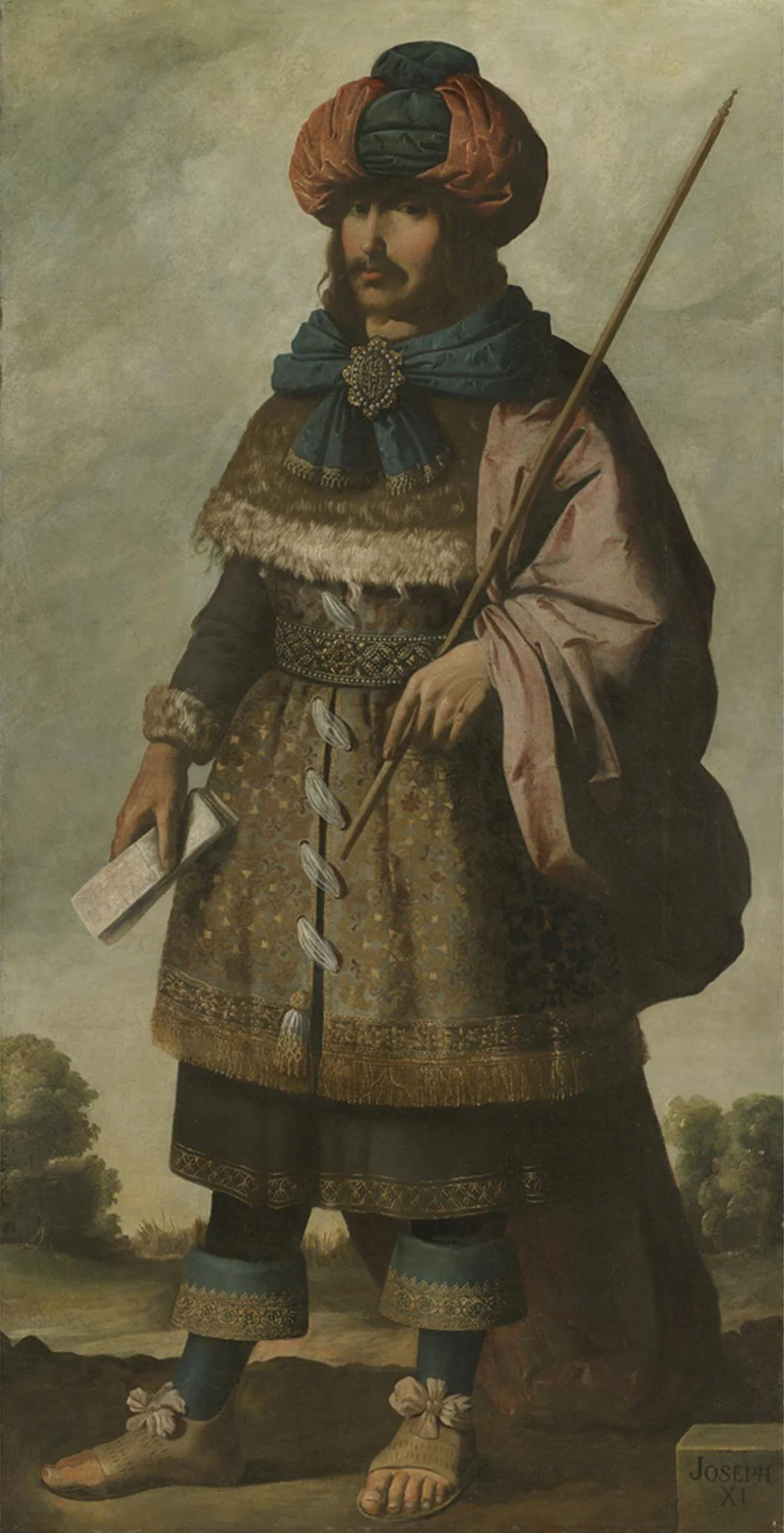
Which brings us to the Genesis 50:20 scripture, “Even though you intended to do harm to me, God intended it for good, in order to preserve a numerous people, as he is doing today.” God needed to move Joseph to Egypt, so that there would be someone to take care of the family in time of need. God used Joseph’s brothers to do it. God’s plan always works out in the end. God has a path determined for each of us. It takes patience, faith, dedication, hard work, perseverance, humility, and flexibility, but the Holy Spirit is there guiding us, we just need to willing to listen and follow.
Join us for our September 13th Worship Service.
Joseph, 1640-45, Francisco de Zurbarán, Auckland Castle, County Durham, England / Joseph Recognized by His Brothers, 1863, Yrbain Bourgeois, Musée de la Faïence et des Beaux-Arts, Nevers, France
Season After Pentecost (Ordinary Time)
On the first Sunday after Pentecost we begin the Season after Pentecost, a liturgical season which lasts until November 22, the last Sunday before Advent. The season does not follow a theme, like Advent or Easter, but tends to focus more on the teaching aspects of the Jesus’ ministry reaching out into early church history and theological issues of he early church as seen in the letters.
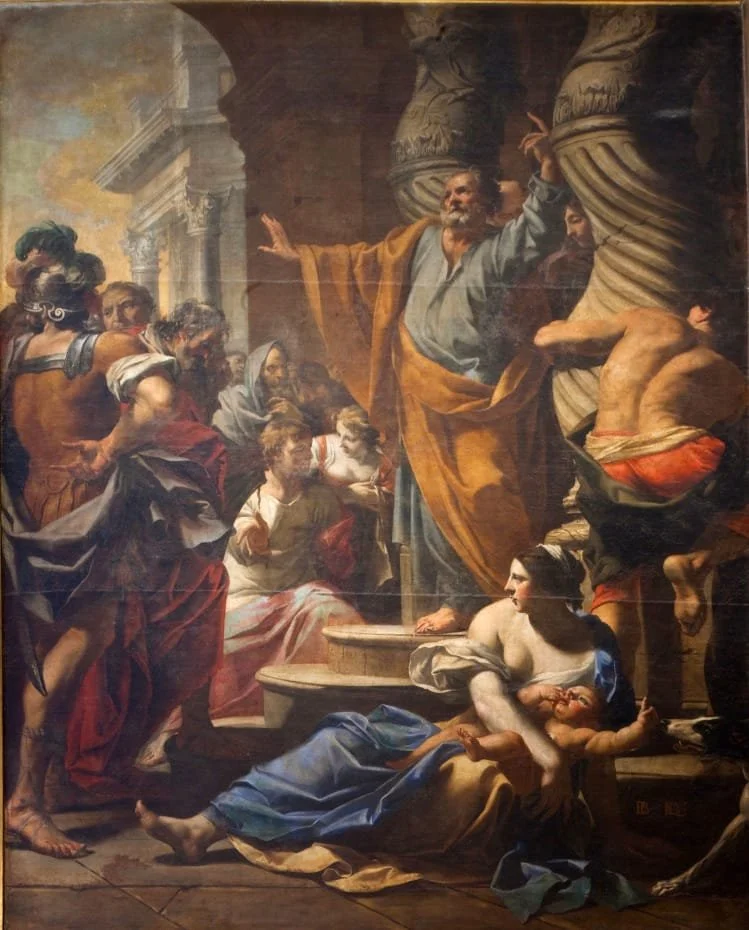
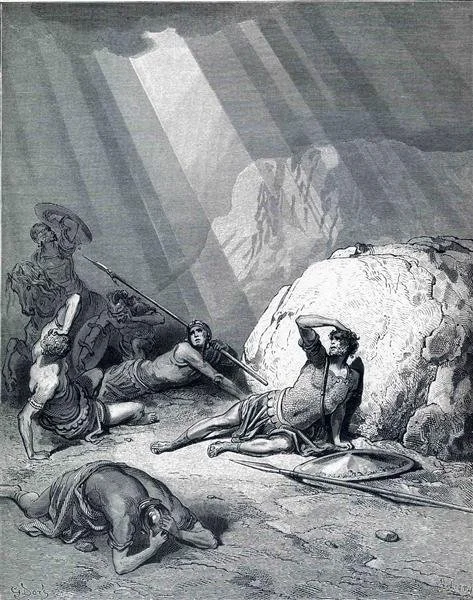
Examples include Jesus teaching through Parables, or his Sermon on the Mount in Matthew or His Sermon on the Plain in Luke. There are His Signs such as Turning the Water into Wine in John or raising of Juries’ daughter in Mark. The beginning of the church from the Book of Acts with Peter going into Samaria, or the conversion of Paul and his Missionary Journeys.
The Season after Pentecost, formally called Ordinary Time, this year will last for 26 Sundays, giving us time for a variety of looks into the early church, its organization, reformation, and Presbyterian Theology.
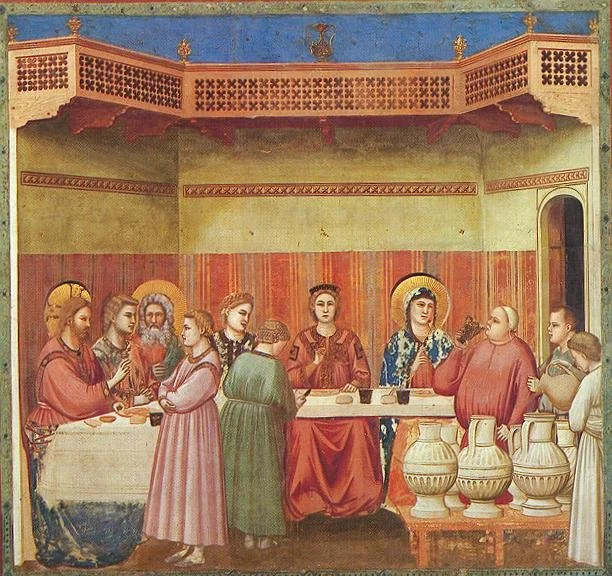
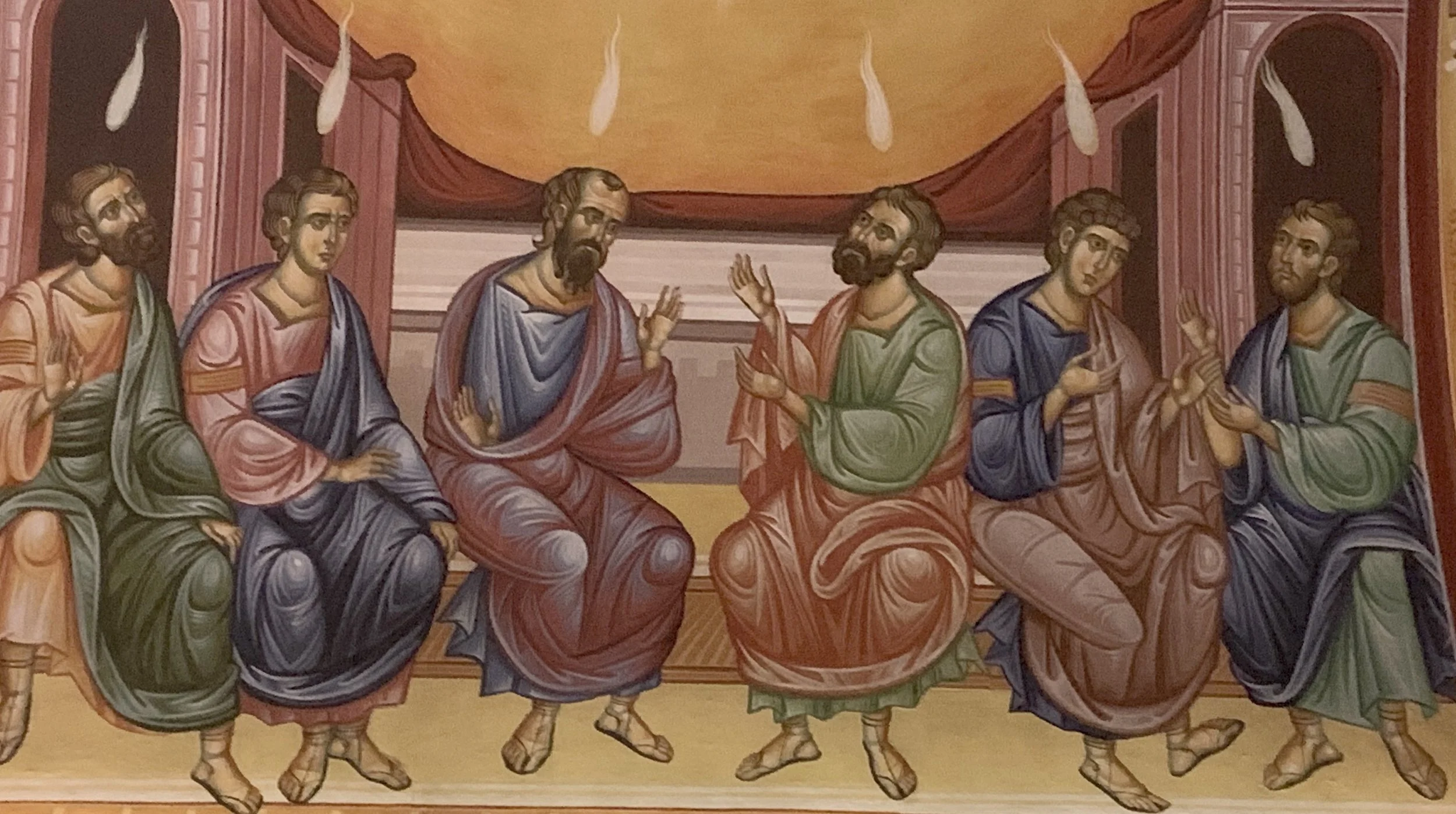
Marriage at Cana, 1303-5, Giotto, Scrovegni Chapel, Prado, Italy / jesus heals woman with hemorage, 12th-13th century, Cathedral of Assumption, Mosaic, Monreale, Sicily / Gift of the Holy Spirit Žitomislić Monastery Bosnia / Peter Save Yourselves, 1642, Charles Poerson, Notre-Dame, Paris, France / The Conversion of St. Paul, 1866, Gustave Dore, Private Collection

Join us for our September 6th Worship Service.
Join us for our August 23rd Worship Service. Join us for our August 30th Worship Service.
Join us for our August 9th Worship Service. Join us for our August 16th Worship Service
Join us for our July 26th Worship Service. Join us for our August 2nd Worship Service.
Join us for our July 12th Worship Service. Join us for our July 19th Worship Service.
Join us for our June 28th Worship Service. Join us for our July 5th Worship Service.
Join us of our June 14th Worship Service. This Father’s Day join us for our June 21st Worship Service.
Join us for our May 31st Worship Service. Join us for our June 7th Worship Service.
Easter

Eastertide/Pascha (Aramaic meaning Passover): We know it as the Easter Season following Lent. As Lent prepares us to reorder our lives, minds, and hearts to accept Jesus’ sacrifice, Easter is when we celebrate Jesus' rising from the dead, the fulfillment of God’s promises.
Easter is a moving season. Easter Sunday, the day Jesus rose from the dead, is celebrated on the first Sunday after the first full moon after the Spring Equinox. Which means Easter Sunday can be any Sunday between March 22 and April 25. This year, it is April 5th.
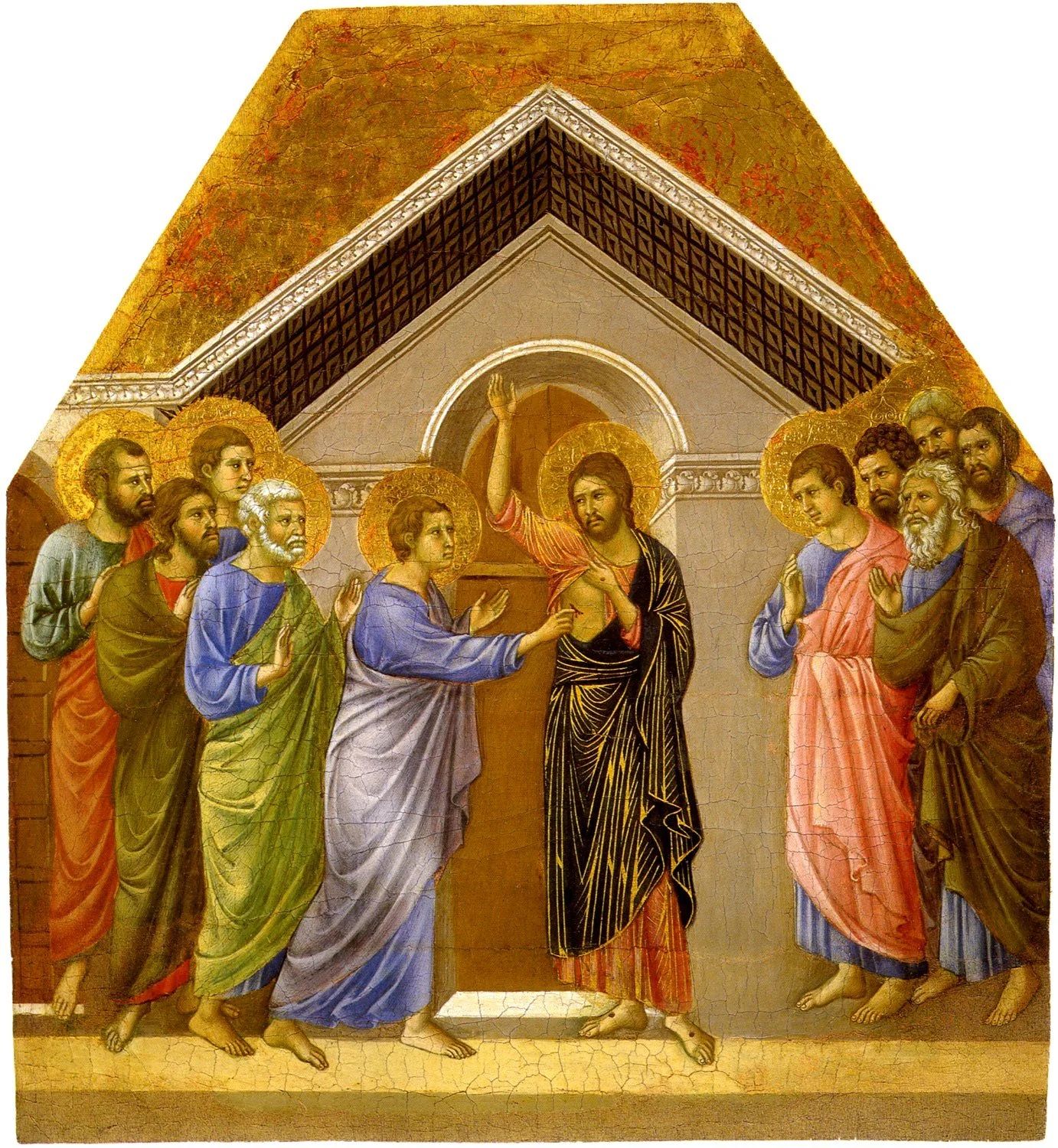
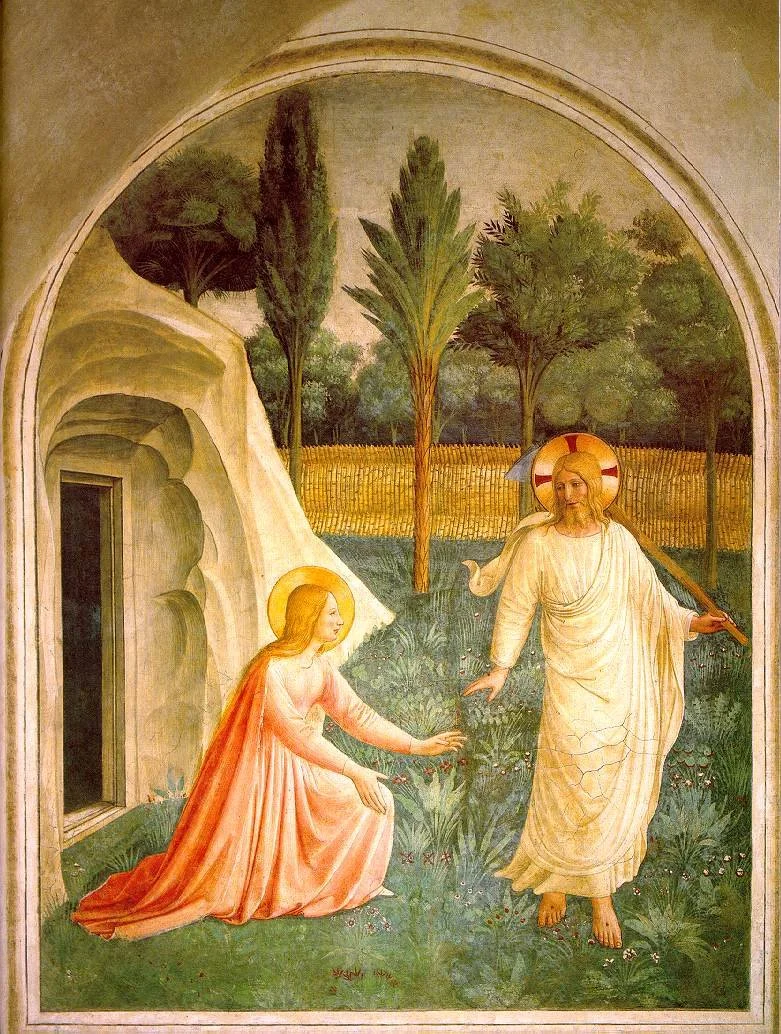
The Easter Season lasts 50 days, ending on Pentecost, which falls on May 24th. Easter is the time Jesus spent with His disciples following his resurrection before His ascension to heaven. It was time for teaching and preparing the disciples for the task of creating God’s church on earth. During these 40 days, Jesus appeared to Mary Magdalene, His mother and sister, His other followers as on the road to Emmaus. According to Apostle Paul, appearing to over 500 at one time (1Cor 15:6). It was a time of additional miracles, as in the catching of fish in John 21 or appearing behind closed doors in Luke 24 and offering His hand to Thomas.
This year, Jesus’ accession will be celebrated on May 14th. Ten days later, on Pentecost, we celebrate the disciples receiving the gift of the Holy Spirit, which was promised to them by Jesus at the time of his ascension.
Easter is a period of celebration. As a community of believers, we remember the time the human Risen Lord walked among the people, fulfilling God’s promises to all people.
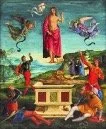
Pictures: The Resurrection of Christ, 1499–1502, Raphael, Sao Paulo Museum of Art, / Doubting Thomas, The Maesta Altarpiece, 1461, Duccio, Museo dell’Opera del Duomo Siena, Italy / Jesus Appears to Mary, Fra Angelico, 1425, Fresco, Basilica di San Marco, Florence, Italy / The Great Commission, at the Cathedral Parish of Saint Patrick in El Paso
Join us for our May 17th Worship Service. Join us for our May 24th Worship Service.
Join us for our May 3rd Worship Service Join us for our May 10th Worship Service.
Join us for our April 19th Worship Service. Join us for our April 26th Worship Service.
Join us for our April 5th, Easter Sunday Worship Service. Join us for our April 12th Worship Service.


Lent
We can look at Lent as a time Repentance, Renewal and Redemption. Lent is the six weeks starting with Ash Wednesday, February 18th, and lasting until Easter Sunday on April 5th. Lent is a time of preparation. It is our opportunity to prepare ourselves to receive the gift of forgiveness God gave us with the sacrifice of God, in human form (Jesus), on the cross.
But in order to receive that gift we first have to accept God’s love into our hearts. The process begins with Repentance. All of us have sinned, and by acknowledging our sins we have Repentance. It is through our Repentance that we ask God to help us become the people He needs us to be. And God always accepts true Repentance with forgiveness, which bring us to Renewal. Our mistakes are still there, but God has said for us to put them behind us and follow Him forward. And as we go forward following God’s guidance, we achieve Redemption.


This year Lent began last Wednesday, February 18th, and will last until the Saturday before Easter on Sunday April 5th. Lent is 40 days long which is remembrance of the 40 days Jesus spent fasting in the desert (and the 40 days Elijah spent fasting n Mount Horeb 1Kings 19:8 ). Actually, there are 46 days between Ash Wednesday and Easter. Although there are different understandings on how to count the 40 days of Lent probably the easiest explanation is that the Sundays are not included in the 40 days.
This is an excelent time to look at the things Jesus did, His attitude toward the world and cuiture in which he lived, and how we can change our lives, and start to try and live the way Jesus wants us too.
Pictures: Upper lLeft: Jesus Tempted by the Devil, Spanish Fresco Metropolitan Museum of Art , the Cloisters Collection / Upper Right: Jesus and Samaritan Woman at Well, R1420, German Reverse Glass Painting, MET New York / Lower Left: Jesus Blesses Mothers and Children, Stained Glass Window in the Saint John the Baptist church in Zagreb, Croatia / Lower Right: Jesus teaching disciples, Fra Angelico, San Marco Monestary, Florence, 1400s
Join us for our March 29th Palm Sunday Worship Service.
Join us for our March 15th Worship Service. Join us for our March 22nd Worship Service.
Join us for our March 1st Worship Service. Join us for our March 8th Worship Service.
Join us for our Ash Wednesday Worship Service. Join us for our February 22nd Worship Service.
Epiphany
Epiphany comes from the Greek, and means manifestation or revealing. Starting on January 6 the season of Epiphany runs until Ash Wednesday, February 28th, and the start of Lent. The purpose of the season to recognize the time Jesus is acknowledged as the Son of God, the answer to God’s promise of redemption reaching back to the words of the prophets of the Old Testament.
Three Wisemen Visit Jesus, El Greco, 1568, Museo Soumaya, Mexico City

Simeon and Anna in the Temple, Rembrandt, 1669, National Museum, Stockholm
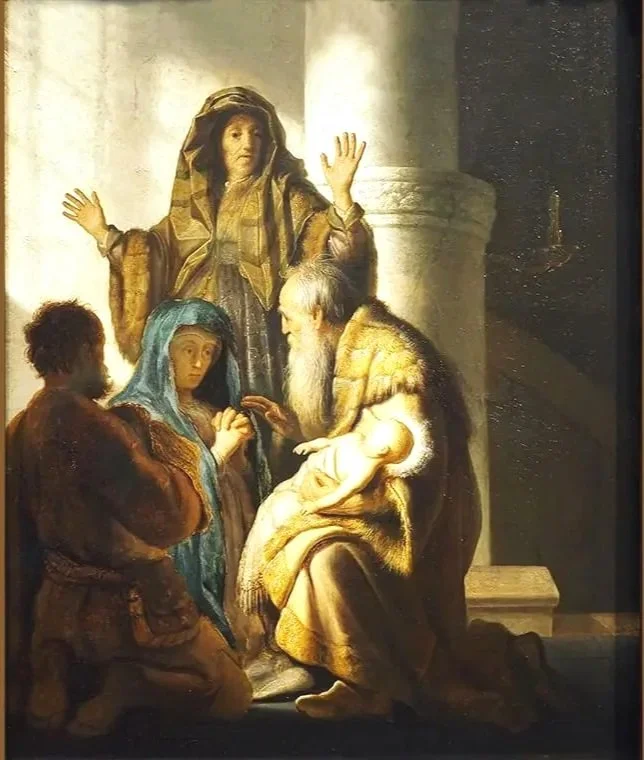
Recognitions comes in several instances. The most celebrated is the visit of the Magi following the heavenly star and bringing gifts to the Christ child. Other examples include the presentation of Jesus at the temple and being recognized by Anna and Simeon. Another example is Jesus’ baptism, first when he is recognized by John the Baptist, and again when coming out of the water the heavens open, the spirit in the form of a dove descends and the voice of God saying, “This is my beloved Son in whom I am well pleased.”
Baptism of Christ, Jose Ferraz de Almeida Jr, 1895, Pinacoteca do Estado de Sao Paulo, Brazil

Join us for our February 8th Worship Service. Join us for our February 15th Worship Service.
Join us for our January 25 Worship Service. Join us for our February 1st Worship Service.
Join us for our January 11th Worship Service. Join us for our January 18th Worship Service.
Christmas
It is the season of Christmas, December 25th - January 5th. We have spent the last four weeks preparing our hearts, minds, and soles to receive the gift God sent to His people, Himself to be sacrificed, that His people’s sins may be washed away, and they can be with Him, eternally. But why 12 days for the season?
The Christmas Season, also known as Christmastide, goes back to the Council of Tours meeting in 567 CE who proclaimed the 12 days between Christmas (the birth) and Epiphany (the Magi Recognition) as the Christmas Season. The main purpose is to celebrate. After the 4 weeks of fasting, introspection and preparation to receive Jesus into our lives, now is the time to celebrate our acceptance.
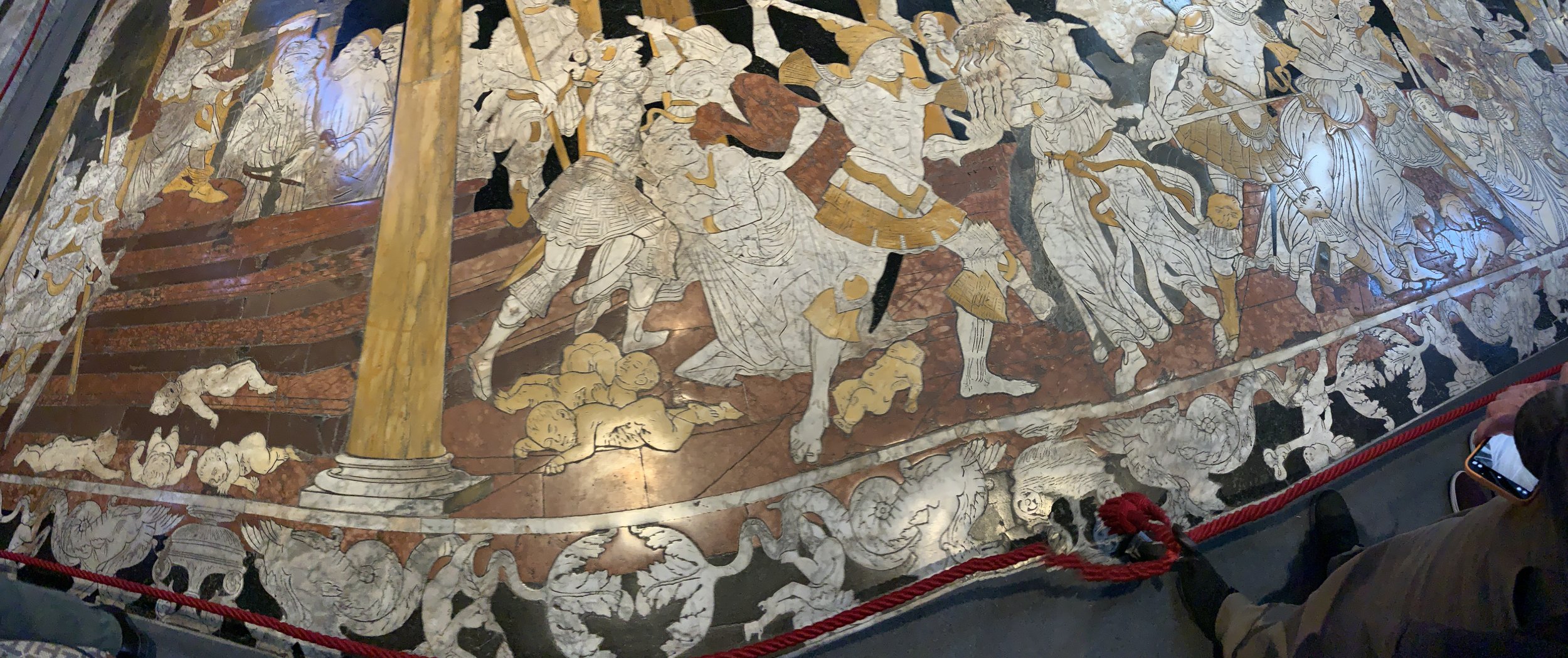
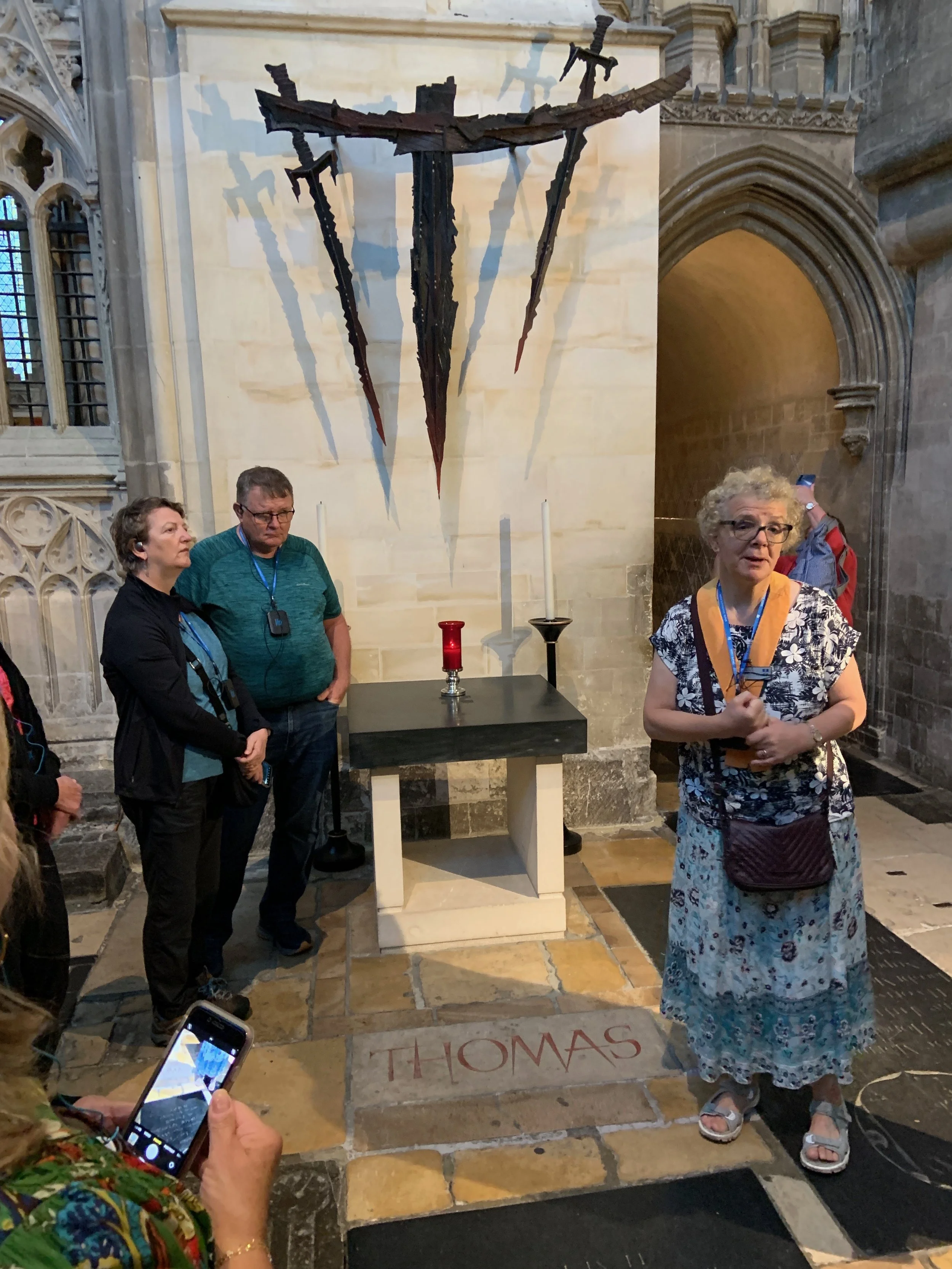
Significant events during Christmastide include: December 25: Jesus’ birth / December 26: feast of St. Stephen (Good King Wenceslaus) / December 27: feast of John the Apostle / December 28: feast of the Holy Innocents (children killed on Herod’s order) / December 29: murder of Thomas Becket 1170 (Archbishop of Canterbury) / December 30: remembrance of John Wyclif 1395 (translated the Bible to English…martyred because) / January 1: circumcision of Jesus / January 2: remembrance of Vedanayagam Samuel Azariah, 1945 Bishop of South India / January 4: remembrance of Elizabeth Ann Seton, 1821, founder of the United States parochial school system / January 5: Epiphany Eve, remembrance of the Desert Mothers (women ascetics living in the deserts of Egypt, Palestine, Syria 4th & 5th century) / January 6: Epiphany begins, Magi visit (manifestation).
Join us for our Christmas Eve Service.
Join us for our December 28th Worship Service.
Join us for our January 4th Worship Service.
Photos: Death of the Innocents, Siena Cathedral, Siena Italy / Canterbury Cathedral, site of Thomas Becket murder, Canterbury, England
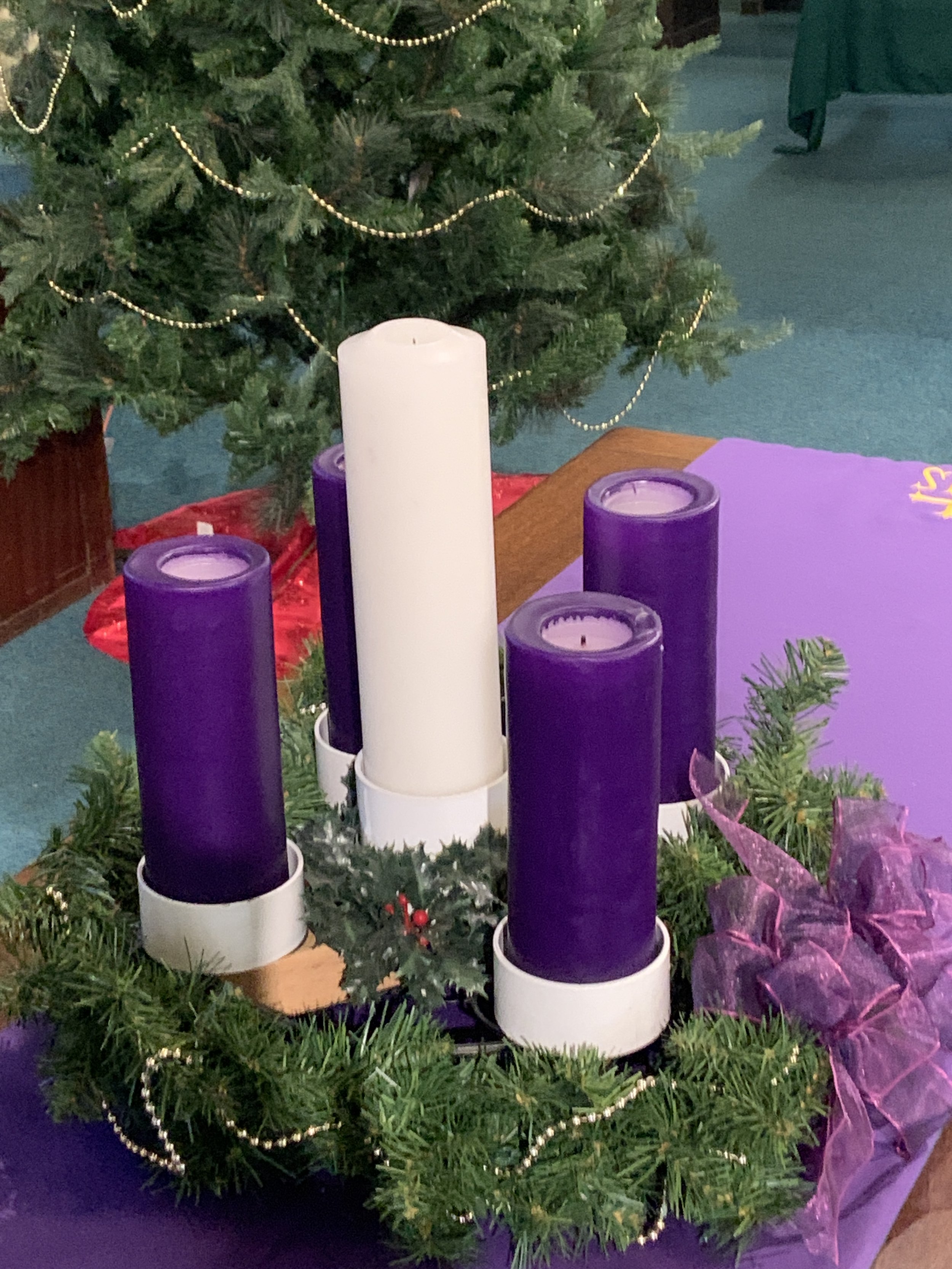
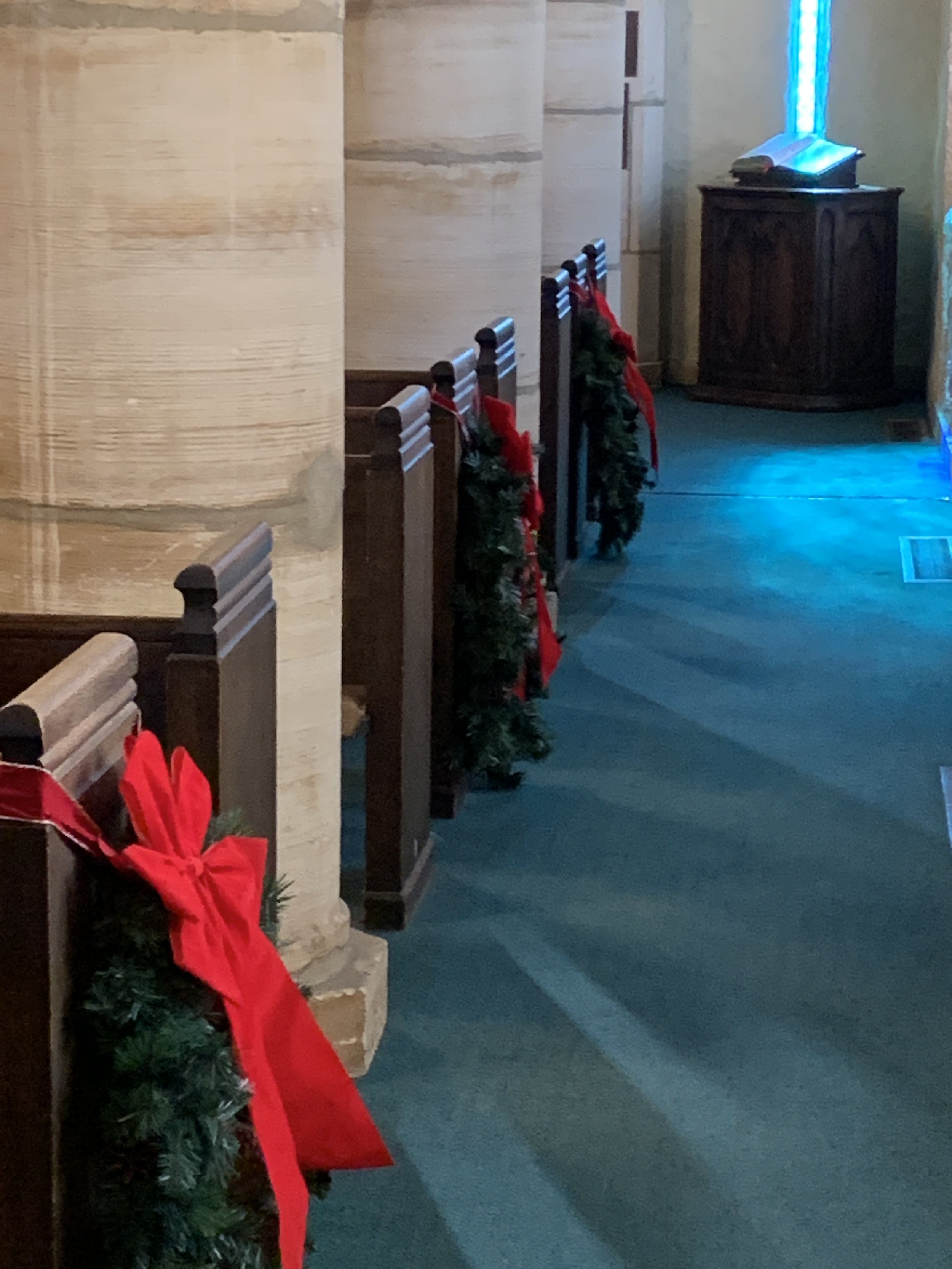
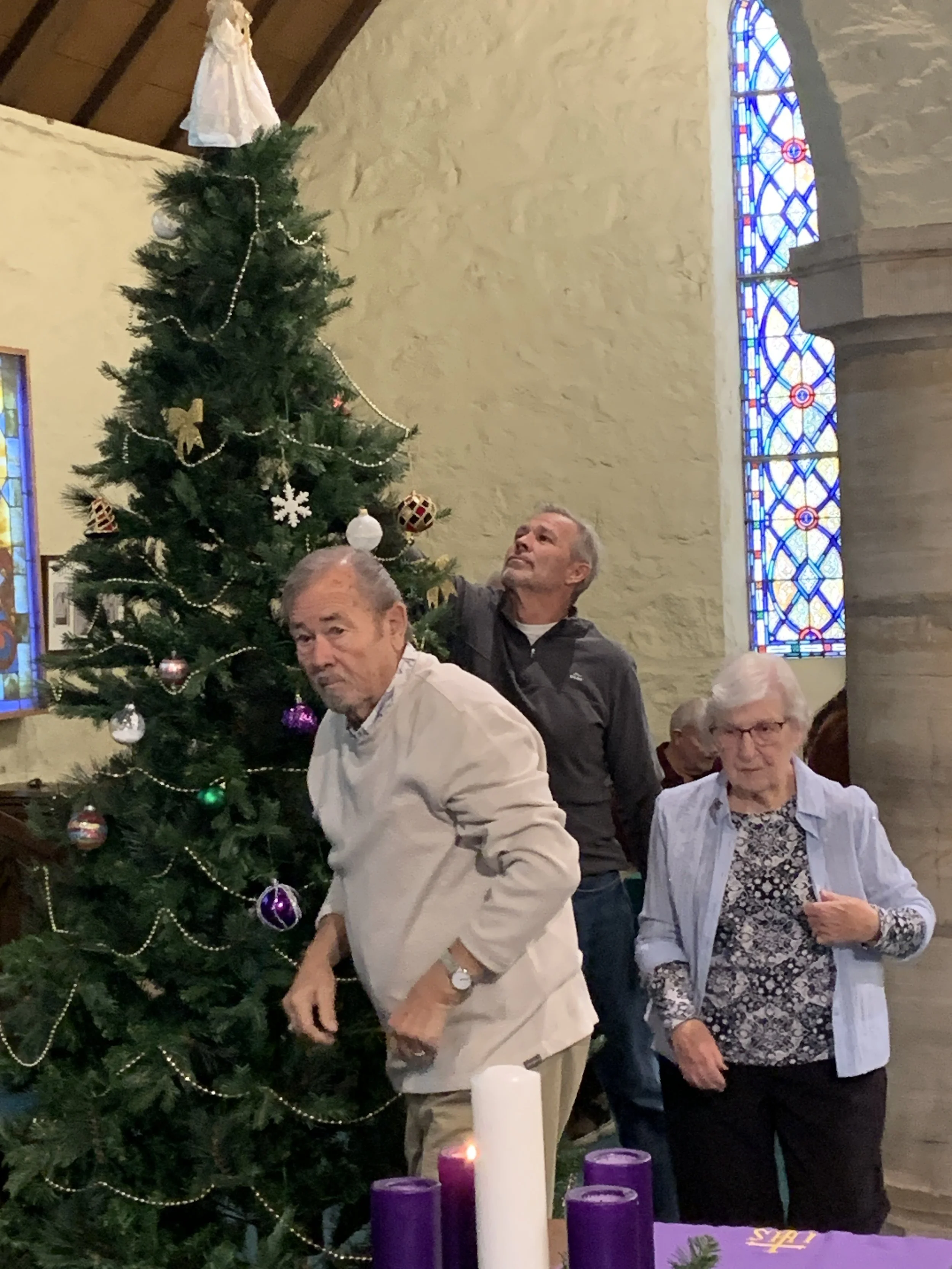
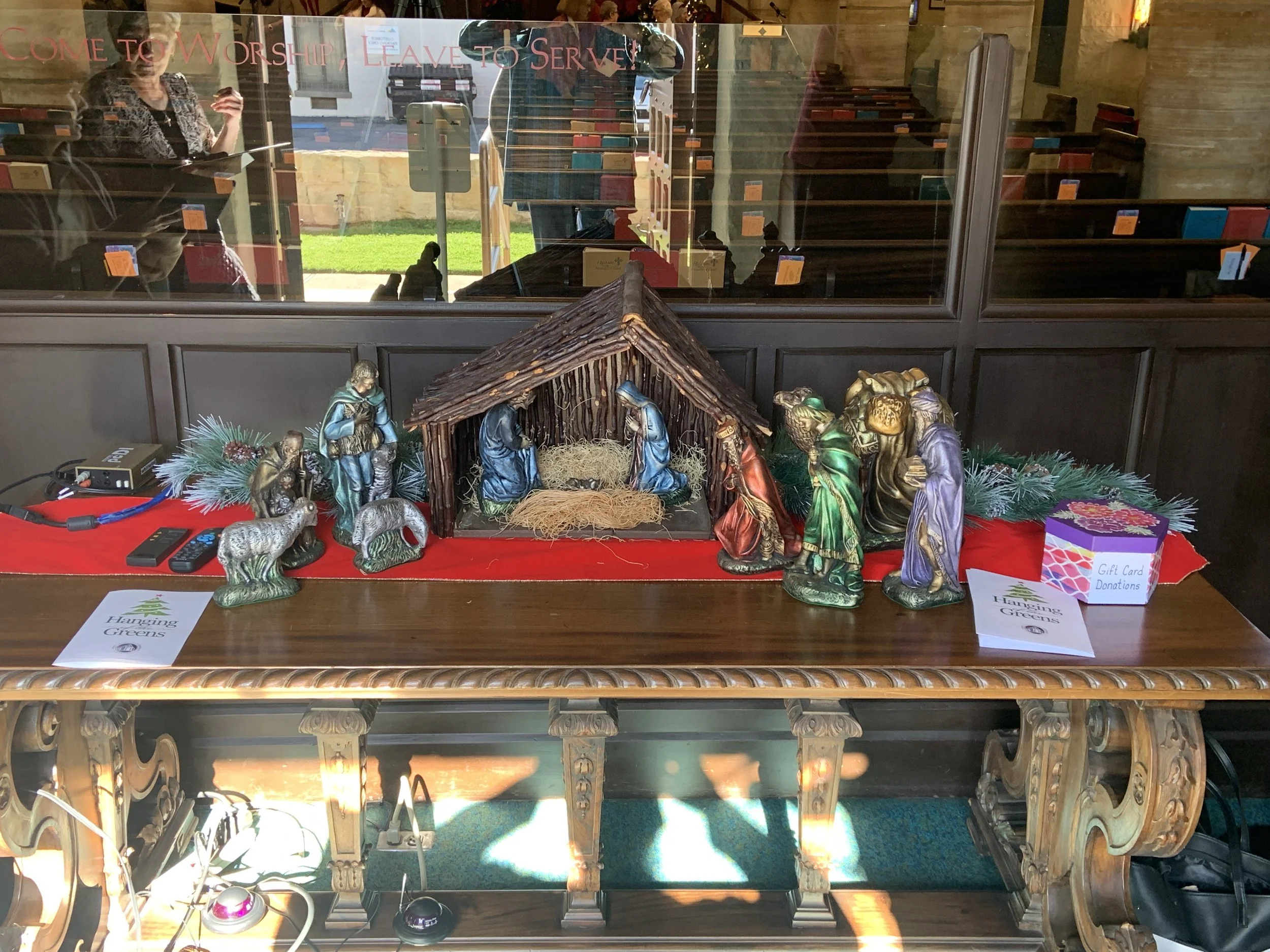
No one is sure when Advent, the four Sundays leading up to Christmas, came into the Christian schedule, but it was well established by the year 480, and so we have been celebrating the birth of Jesus, God’s gift to humanity, for well over 1500 years. Advent actually takes place on three levels. The first is the physical birth of Jesus in Bethlehem over 2,000 years ago. The second is the reception of Jesus into the hearts of the believers. Finally, there is the awaited presence of when Jesus returns to the earth and brings about the world of His desire.
Advent is celebrated in many ways. There is always the decorating of the church with a Christmas Tree, Christmas Wreathes, special programs and litanies, Christmas Cantatas, and almost in each church the lighting of the Advent Candles representing Hope, Peace, Joy and Love. The center candle, the Christ Candle is lit on Christmas Eve, and again on Christmas Day and the following Sundays during the Christmas Season.
It is our way of celebrating the birth of Jesus, God’s gift to a world in sin, and the source of our salvation. An event well worth celebrating, and preparing for.
Join us for our November 30th Worship Service. Join us for our December 7th Worship Service.
Join us for our December 14th Worship Service. Join us for our December 21st Worship Service.
ADVENT